All makes serviced · Ontario-wide · Based in Ajax
Services / Fluid Analysis

Generator Fluid and Oil Analysis

Finding out what is wearing out inside the engine, before it stops.

Why it matters

The closest thing there is to a blood test for your generator.

You cannot open up a running engine to see how it is doing. But the fluids inside it carry the evidence. Every bearing, ring and gear leaves microscopic traces in the oil as it wears, and a laboratory can read them.

A small sample, sent to a lab, tells us what is happening inside the engine long before anything is loud enough or hot enough to notice.

At a glance
Accredited laboratory analysis

A small sample, read by a lab, months before you would hear it or feel it.

We take the samples during a scheduled service visit — it adds only a few minutes to the work already being done on your machine.

They go to an accredited laboratory. When the reports come back we go through them for you and send a plain-English summary: what is normal, what is worth watching, what needs action.

Anything urgent, we call you. We do not leave it in a report for you to spot.

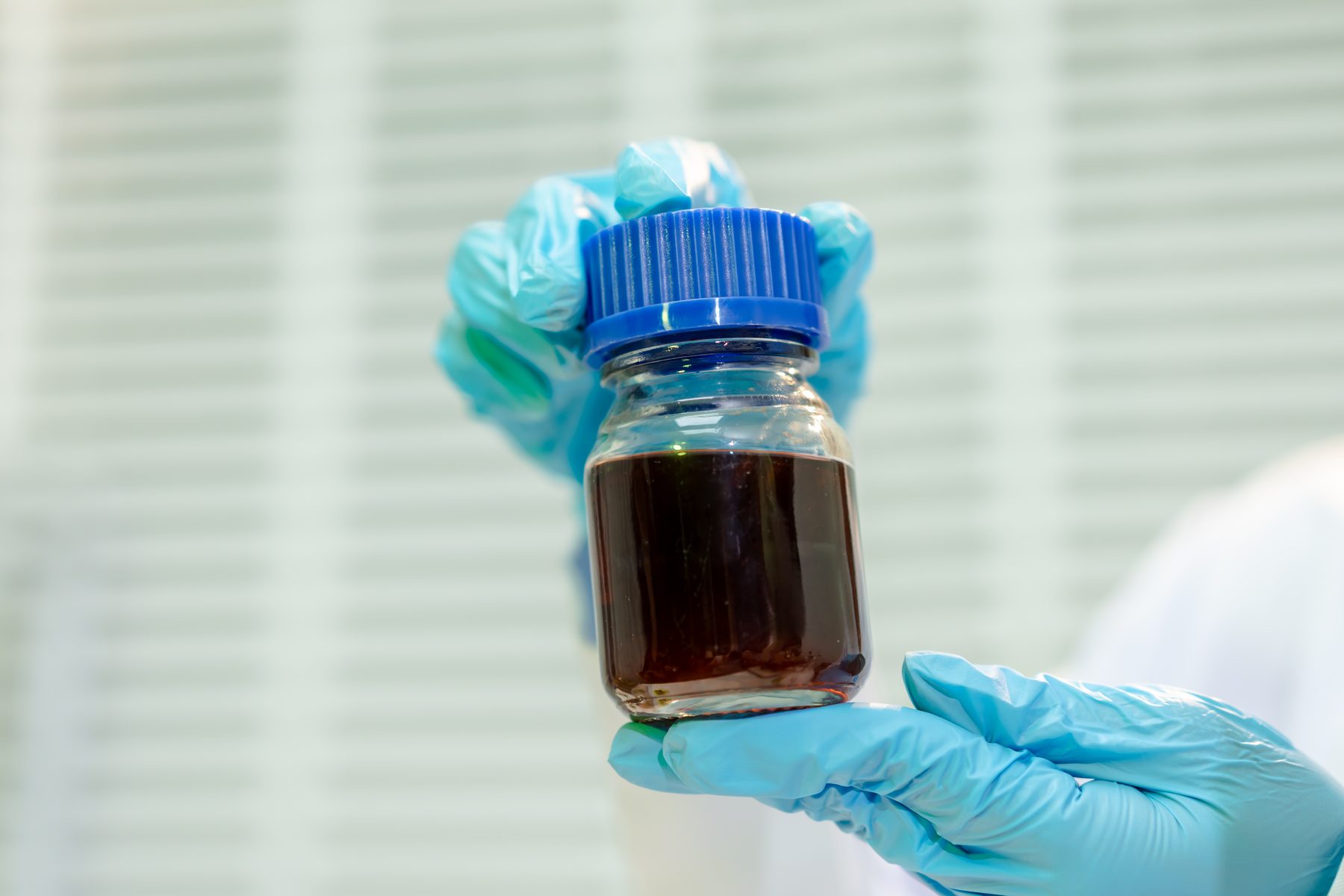
Laboratory oil sample taken from a standby generator for wear-metal analysis
What we test

Three fluids, three different stories

Engine oil

The most useful sample of the three. The lab measures wear metals — iron, copper, aluminium, chrome, lead — and each metal points to a particular part of the engine. It also checks viscosity, soot, fuel dilution, water content and whether the oil’s additives are still doing their job.

Coolant

Coolant that is out of specification quietly destroys engines. We check the freeze point, pH, corrosion inhibitor levels and contamination. A high level of iron or copper in the coolant means something inside the cooling system is corroding.

Fuel

Water content, microbial growth, particulate contamination and general condition. This is what tells us whether your tank needs polishing.

What the results tell you

Six readings and what each one means

Why it is worth doing

Four things a lab report buys you

01

It gives you warning

Wear shows up in the oil months before it shows up as a symptom. That is the difference between planning a repair and reacting to a breakdown.

02

It builds a trend

A single sample is useful. Three years of samples is far more useful, because the trend tells you the rate at which something is wearing, not just that it has worn.

03

It stops you replacing things unnecessarily

Oil changed on a fixed schedule is sometimes changed while it is still perfectly good. Analysis tells you what the engine actually needs.

04

It supports your maintenance record

Lab reports are independent third-party evidence that the equipment has been properly looked after. That matters for insurers, for auditors, and for the value of the asset.

How it works with GenWorx

Five steps from sample to answer

Step 01

We take the samples during a scheduled service visit — it adds only a few minutes.

Step 02

Samples go to an accredited laboratory.

Step 03

The lab reports come back and we go through them for you.

Step 04

You get a plain-English summary: what is normal, what is worth watching, what needs action.

Step 05

Anything urgent, we call you. We do not leave it in a report for you to spot.

Common questions

Straight answers

Does the generator need to be running?

Ideally the sample is taken while the oil is warm and circulating, so we usually take it during or just after a test run.

How long do results take?

Normally a few working days from the lab.

Can you do this if you do not maintain our generator?

Yes. It is available as a standalone service.

How often should we sample?

Annually for most standby generators, taken during the yearly service. Engines that run more hours, are older, or have already shown something worth watching should be sampled more often.

Keep reading

Related services

Fuel Polishing

When the fuel sample comes back contaminated, this is the fix.

Diagnostics

When the numbers say something is wrong, this is how we find it.

Load Testing

The best time to take a warm oil sample is right after a load test.

Talk to GenWorx

Book fluid analysis

A few minutes on site, an accredited lab, and a plain-English answer about what is happening inside your engine.